
Kheer's Ancient History: South Asia's Everlasting Dessert
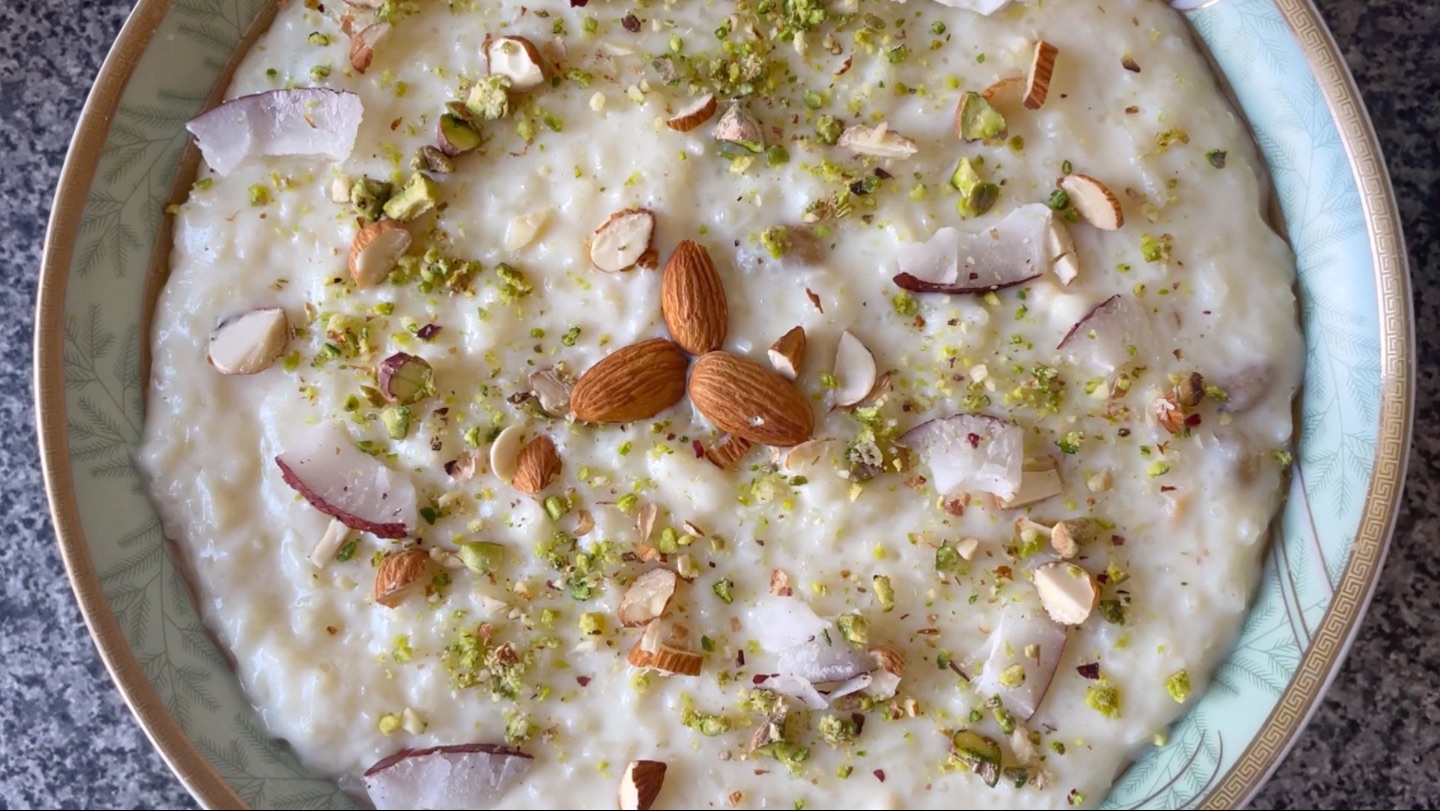
Kheer, a popular dessert with over 5,000-year history, has a special position in South Asian cooking. The first version of kheer, which combined rice and milk to make a filling and tasty delicacy, started to take shape as ancient India embraced rice and dairy husbandry. Over the years, this dish gained prominence and, during the Mughal Empire, became a culinary symbol.
The Golden Age of Kheer: The Mughal Era
Kheer really took off during the Mughal era (16th–18th centuries). With the addition of spices, almonds, and saffron, kheer was given new dimensions during this period and became a beloved dessert throughout the empire. Kheer quickly became a famous dessert outside of India, in places like Bangladesh, Pakistan, Afghanistan, Nepal, Bhutan, and Sri Lanka. This dish, which is frequently given at festivals, weddings, and other important events, has come to represent celebration.
Kheer: What is it? Loved by People of All Ages
Although there are many varieties today, kheer is a rice-based pudding cooked with milk, rice, and sugar. People of various ages and ethnicities like this dessert. Its rich flavor and creamy texture appeal to all ages, including children and adults.
Kheer Varieties: From Conventional to Distinct Flavors
Kheer's adaptability has produced an amazing range of variations. Among the more common kinds are:
Rice, milk, and sugar are the basic ingredients of classic kheer, which is occasionally spiced with cardamom and garnished with pistachios and almonds.
Grated carrots are added to carrot kheer (Gajrela), a variation that adds a natural sweetness and a colorful touch.
Sugarcane Kheer: This variant adds a distinct earthy sweetness and is made with sugarcane juice.
Rose Kheer: This kheer has a subtle floral scent and is made with rose water.
For those seeking dairy-free options, soy kheer is a lighter option that uses soy milk.
Each of these variations adds a unique flavor and charm to the dish, demonstrating how versatile and popular kheer is.
Kheer's Lasting Influence in South Asia
From the modest origins of rice farming to its legendary position in Mughal palaces, kheer has developed into a South Asian cultural gem. It is still a staple dessert in religious rituals, festivals, and family get-togethers today, signifying warmth and togetherness.
In conclusion
Beyond decades and geographical boundaries, kheer is more than just a dessert—it's a voyage through flavors and history. This dish embodies the spirit of South Asian hospitality and tradition, whether it is the classic rice and milk kheer or a more unusual variation like carrot or rose kheer. Therefore, keep in mind that you are enjoying a piece of culinary history that has thrilled countless generations the next time you indulge in a bowl of kheer.








Comments