
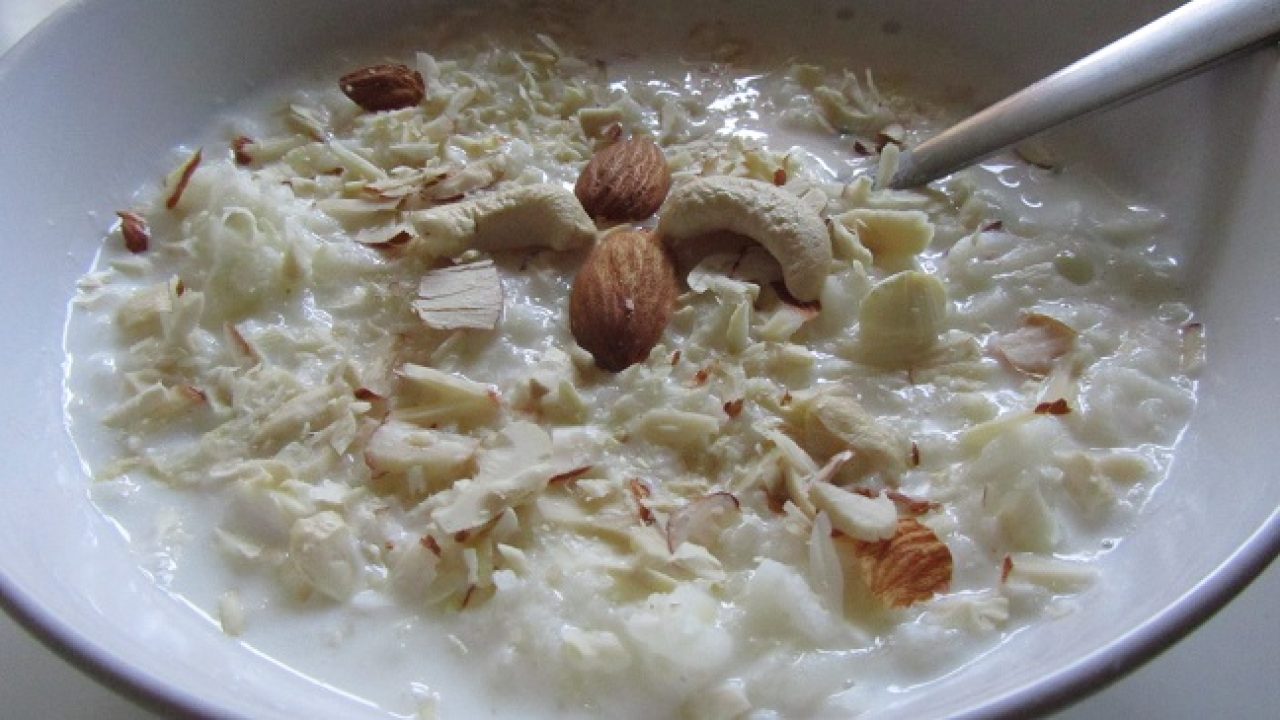
A Gastronomic Adventure Across South Asia: The Delightful Tradition of Kheer
Overview: The history of the popular South Asian dessert kheer dates back 5,000 years. Its roots lie in the ancient cultures of the Indian subcontinent, where the production of rice and milk served as the basis for this well-known dessert. In Pakistan, Afghanistan, India, Bangladesh, the Maldives, Nepal, Bhutan, and Sri Lanka, kheer has changed and grown over the years. Let's examine the classic appeal of Kheer, its regional variants, and its cultural relevance.
A Brief History of Kheer: Kheer's history starts in the early Indian subcontinent, when it was prized as a delicious and festive emblem. As time went on, Kheer rose to particular popularity during the Mughal Empire, when it was a well-liked dessert. Kheer was transformed into a dessert that everyone appreciated by the Mughals' introduction of new ingredients and cooking techniques. Its delicious flavors bring families and friends together on special events like weddings, Eid, and Diwali.
What is Kheer?
Rice, milk, and sugar are the primary ingredients of kheer, a creamy milk-based dessert. The fragrant tastes of cardamom, saffron, and occasionally even rose water are added. Kheer is loved by people of all ages, whether it is served warm or cold. In addition to being a dessert, it represents happiness and community, making it ideal for sharing during joyous events.
Various Kheer Types:
There are a number of Kheer types across South Asia, each with its own special ingredients and regional variations. Among the more common kinds are:
Traditional Rice Kheer: This is the traditional kind, which is made with just rice, milk, and sugar.
Carrot Kheer (Gajar ki Kheer):
This version, also called gajrela, is made with grated carrots.
Sugarcane Kheer: A pleasant twist made with sugarcane juice.
A vegan substitute that has a similar creamy texture is soy milk kheer.
This rich version of dry fruit kheer adds walnuts, pistachios, and almonds for taste and nutrition.
There is a Kheer for every occasion and taste thanks to its wide variety!
Kheer's Poetic Tribute: Kheer is a component of family customs and festivities, not just a dessert. This is a poetic interpretation that sums it up:
The sweetness of milk, the aroma of grains,
A delight for everyone, young and old.
Kheer, the delight in every bite, with crushed almonds and delicious flavors.
Every bite evokes a memory, whether it be on hot days or cold evenings.
A sweet treat that fills our hearts with joy and love from Diwali to Eid.
Kheer's nutritional value and health advantages:
Kheer is not just tasty but also nutrient-dense. It provides a natural source of energy and vital nutrients, with its main constituents being milk, rice, and dry fruits. Kheer is made even more nutritious, especially for elderly people, by adding walnuts, pistachios, and almonds. To consume it safely, people with diabetes or following a sugar-restricted diet should choose varieties with little to no sugar or sugar alternatives.
Tastes of the Region and Festive Importance:
India: Kheer is made differently in each state using different spices and ingredients. Kheer is thick and creamy in Punjab and Haryana, but Payesh (Bengali Kheer) is lighter in texture in Bengal.
Pakistan: In the provinces of Punjab and Sindh, kheer is a beloved dessert, particularly at festivals and weddings.
Bangladesh: Kheer is a staple at celebrations like Eid and Shab-e-Barat because of its lighter texture.
Nepal: A popular dish during family get-togethers and celebrations, kheer is a representation of wealth and good fortune.
Sri Lanka: Coconut milk is added to the regional Kheer recipe to give it a unique tropical taste.
Conclusion:
Kheer's reassuring sweetness and cultural importance unite people from India to the Maldives. This traditional dish has a special ability to unite communities and generations. Tell us in the comments section below if you have a favorite Kheer recipe or a happy memory of consuming this delicious treat.










Comments